
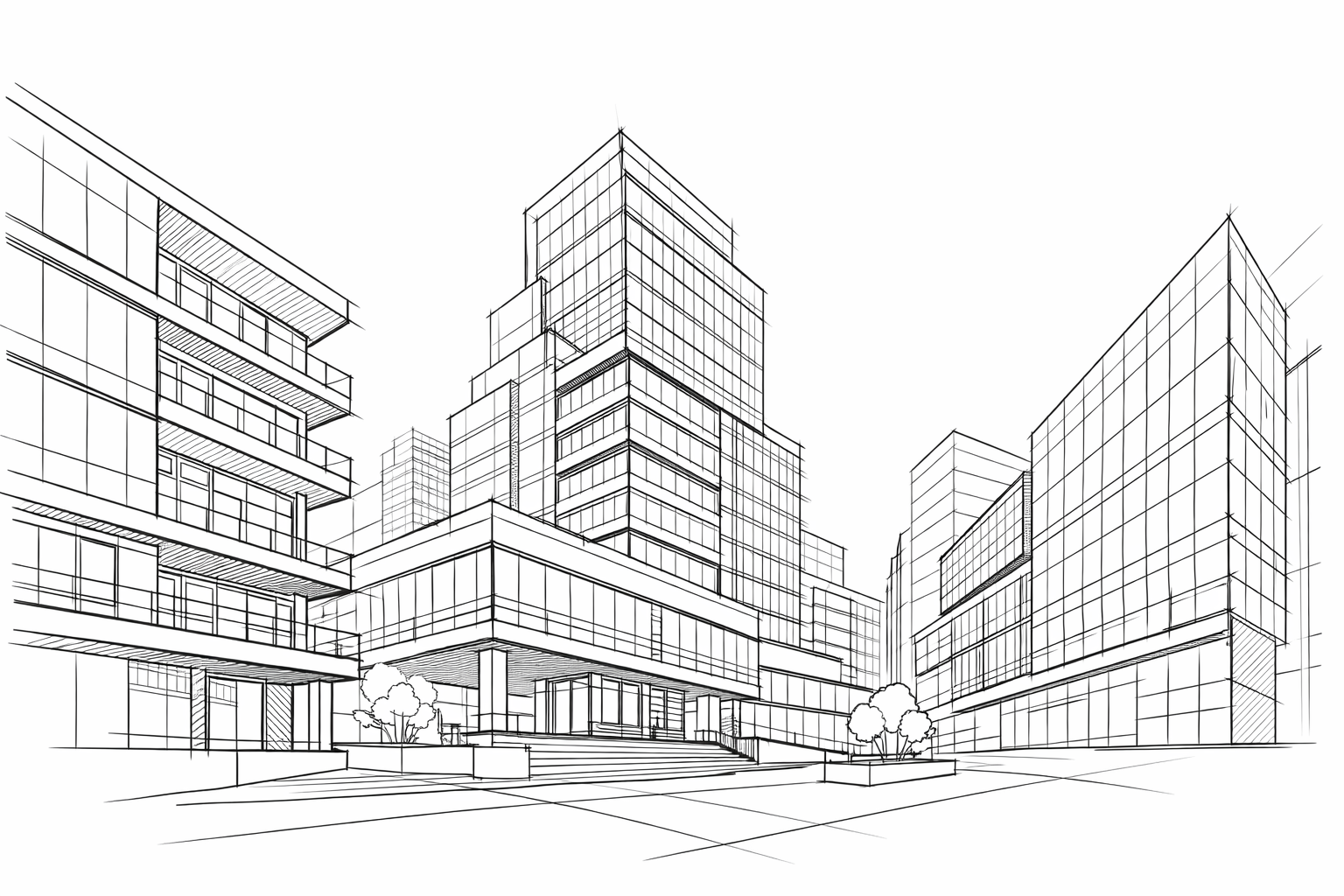
Architecture is experienced visually long before it is occupied physically
Architecture is a visual profession. Long before a project is experienced in person, it is often encountered through images. Photography is therefore more than a record of a completed building; it is one of the primary ways architects communicate design intent, demonstrate expertise, and showcase the value of their work to clients, communities, and future collaborators.
Professional architectural photography helps transform a completed project into a powerful communication tool. Carefully considered imagery captures not only the form and materials of a building, but also its relationship with the surrounding landscape, its interaction with light, and the way people experience the spaces within it. Strong photography allows the architect’s vision to be understood and appreciated long after construction has finished.
Winning New Commissions
For most practices, a website portfolio is often the first point of contact with a potential client. High-quality photography allows architects to present their projects in the best possible light, demonstrating design quality, technical competence, and attention to detail. Prospective clients frequently make judgements about a practice’s capabilities based on the imagery they see, making photography a vital investment in business development and marketing.
Communicating Design Excellence
Architecture is often the result of years of planning, collaboration, and problem-solving. Professional photography helps communicate the ideas behind a project by documenting key design decisions, material choices, spatial relationships, and contextual responses. Well-crafted images enable architects to tell the story of a project in a way that technical drawings and specifications cannot.
Supporting Awards, Publications and PR
Many architectural awards, publications and industry journals rely heavily on photography during the submission and selection process. Strong imagery increases the visibility of projects and helps practices gain recognition within the profession. Professional photographs can also support press releases, editorial features, social media campaigns, and thought leadership activities, extending the reach and impact of completed work.
Demonstrating Value to Stakeholders
Architectural projects often involve a wide range of stakeholders, including clients, consultants, contractors, funders and local communities. Photography provides a clear and accessible way to communicate project outcomes to these audiences. Images can demonstrate how design objectives have been achieved, how spaces are being used, and how a building contributes positively to its environment.
Building a Consistent Visual Identity
Just as architects develop a distinctive design language, practices benefit from a consistent visual approach to presenting their work. Professional photography helps establish a recognisable visual identity across websites, brochures, social media, presentations and bid documents. Consistency strengthens brand perception and reinforces the quality and professionalism of the practice.
Documenting the Project Journey
Photography can play an important role throughout the lifecycle of a project. From site context and early construction progress through to completion and post-occupancy use, imagery provides a valuable visual record of a building’s development. These records can support project reviews, client reporting, future marketing activity, and wider project documentation requirements.
Creating Long-Term Value
Unlike many marketing activities that have a short lifespan, architectural photography continues to generate value for years after a project is completed. Images are reused across portfolios, award submissions, publications, presentations and digital platforms, becoming part of the practice’s long-term intellectual and marketing assets. A well-photographed project can continue to attract attention, generate enquiries and support business growth long after the construction team has left site.
Beyond Documentation
The most effective architectural photography does more than document a building—it interprets it. Through careful composition, lighting, timing and perspective, photography can reveal the qualities that make a project unique and communicate the architect’s vision with clarity and impact. In an increasingly visual and competitive marketplace, professional photography is not simply a record of architecture; it is an essential part of how architecture is understood, experienced and valued.